Kellogg's Controversy, Teal Pumpkins and Cider Warnings This Fall

In this issue of News for Parents we're talking about cereal safety, what to remember when you head to the apple orchard with your family and what all those teal pumpkins you might be seeing are for!
KELLOGG'S CONTROVERSY
Last month, the Senate hosted a roundtable on food safety that stirred debate on social media but got little attention from mainstream news outlets.
The panel featured food activist Vani Hari, known as the "Food Babe," and Jillian Michaels of "The Biggest Loser." Both argue that food companies use potentially harmful ingredients, especially in products aimed at children.
Hari specifically criticized Kellogg's for the ingredients used in its U.S. cereals. She claims many contain dyes and chemicals banned in the European Union, while in Europe and other countries, Kellogg’s uses natural ingredients.
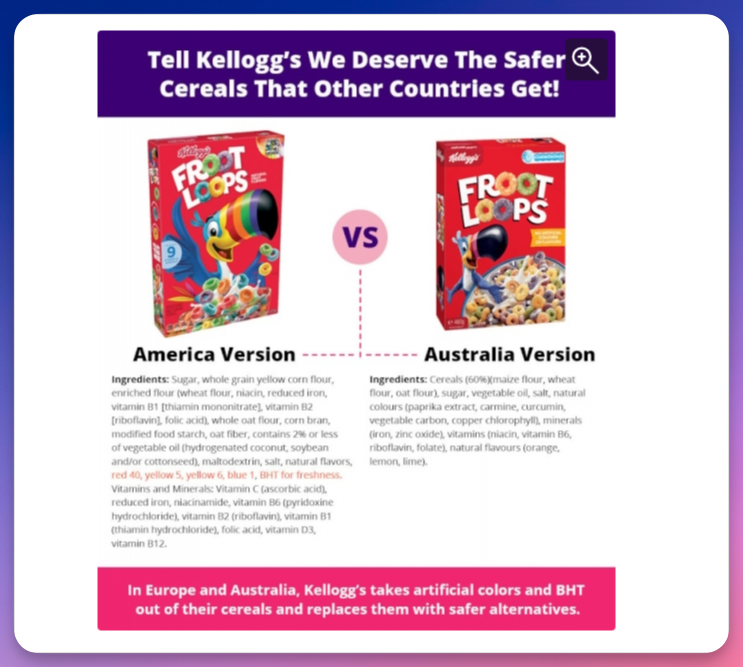
Kellogg’s had promised to remove certain dyes from their U.S. cereals by 2018, but many products remain unchanged.
Concerns About Food Additives
While Hari’s claims have gained attention, her credibility is often challenged by critics and some scientists. Hari is not a doctor or nutritionist, and some of her past statements have been criticized for lacking scientific backing.
Still, concerns about food additives have been raised by more recognized sources:
- California Governor Gavin Newsom has signed a ban on Red No. 3 and other food dyes in school meals, set to take effect by 2027.
- In 2018, the American Academy of Pediatrics (AAP) published a study suggesting food additives may contribute to disease and disability.
- The AAP warns that children may be more vulnerable to these compounds due to higher exposure levels and developing systems.
According to the AAP, at least 100 food additives used in U.S. products are not regulated by the FDA but are overseen by company staff or consultants.
Hari plans to deliver a petition to Kellogg's headquarters on October 15, demanding the removal of these chemicals from their products.

APPLE CIDER SEASON

Fall isn’t just for pumpkin-spiced everything—it’s also prime apple orchard season. If you’ve returned from your annual trip with more apples than your kids will eat and some farm-stand apple cider, the FDA advises ensuring the cider is pasteurized to avoid food poisoning.
Pregnant people, children, and older adults are more susceptible to foodborne illnesses from unpasteurized juices, which must carry a warning label. Here are some tips:
- At farm stands: ask if the cider is pasteurized; unpasteurized juice isn't safe for pregnant people or kids.
- Making your own cider: remove damaged or bruised apple parts, wash thoroughly, and dry with a paper towel to eliminate bacteria.
- Drink your cider by the “best by” date.
BLACK PLASTICS

A recent Chemosphere study raises alarm about black plastic products in our homes. Kitchen utensils, toys, and food containers often contain high levels of toxic flame retardants due to improper electronic waste recycling.
The study found 85% of tested products harbored these harmful chemicals. Sushi trays, spatulas, and beaded necklaces showed the highest toxin concentrations, with some items exceeding European Union limits by up to 2,280 times.
These chemicals pose particular risks to children and pregnant individuals, potentially impacting developing brains and bodies.
To reduce exposure, experts advise avoiding black plastic items, especially for food preparation and children's toys. Instead, opt for safer alternatives made from wood, silicone, or stainless steel.
MENTAL HEALTH
Seventy percent of U.S. counties do not have “a single child and adolescent psychiatrist,” according to the Child Mind Institute (CMI), a non-profit focused on mental health and learning disabilities. In collaboration with clinicians, CMI has developed a “symptom checker” to help parents identify whether their child may be experiencing symptoms related to depression or anxiety.
While this tool is not intended to replace a professional medical assessment, it can help parents decide more quickly if treatment should be sought.
"Due to stigma, misinformation, and a lack of access to care, the average time between the onset of symptoms and any treatment at all is over 8 years." - CMI
Though adolescence naturally brings emotional ups and downs, one of the most significant indicators of a mental health issue is a change from their “normal” behaviors, including shifts in attitudes, eating and sleeping patterns, or withdrawal from people and activities they once enjoyed.
ARE YOU PART OF THE "SANDWICH GENERATION"?

Democratic presidential nominee Kamala Harris has proposed an expansion to Medicare aimed at helping the “sandwich generation”—parents who have both young children and aging parents who need their care.
Harris' policy would extend Medicare, the federal insurance plan for elderly and disabled people, to cover long-term care for seniors at home for the first time. This includes services like in-home health aides, to reduce the often high costs families face for nursing home care.

We already know that reading to your kids offers countless benefits. But did you know that a child’s "reading proficiency by third grade" is "a significant indicator of high school graduation and career success"?
For the first time in 10 years, the American Academy of Pediatrics (AAP) is revising its policy statement on the importance of reading to children, citing years of new research that reinforces what we've always known—but may not always practice.
Reading to your child from newborn through at least kindergarten is highly beneficial. Computer devices, even with educational content, do not offer the same advantages.
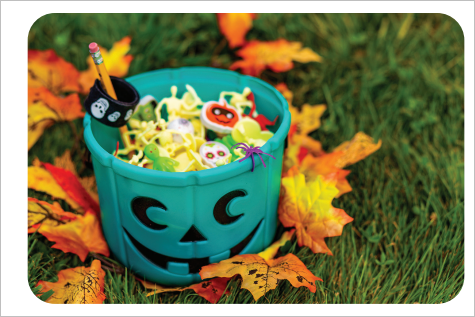
If you’re seeing teal pumpkins this Halloween, it’s probably part of the Teal Pumpkin Project. Families with these pumpkins on their doorsteps are offering non-food treats, like toys or stickers, to make trick-or-treating safer for children with food allergies. This lets kids who can't have certain candies still enjoy Halloween without the risk of exposure to allergens. It's a way to help make the holiday fun and inclusive for everyone, no matter their dietary needs.
And, in case you needed to hear it: You're doing great. Hang in there.
"There is no such thing as a perfect parent. So just be a real one." - Sue Atkins, parenting coach and realist
If you found this information helpful, please consider forwarding it to a friend who might like it, too! And if you haven't already, please consider signing-up so you can get the newsletter emailed to you every Tuesday.